Designed with
comfort in mind
Qlosi supports first-line use through a tolerability-focused design1-4
they stay on the drop.
Pilocarpine HCl
4.8% moderate
Pilocarpine HCl
16% moderate or severe
Aceclidine HCl
4% severe, 7% moderate
Brimonide Tartrate
15 (6.7%) eye pain
(hyperemia)
*Most common adverse reactions defined as adverse reactions reported in ≥5% of patients.
†Dim vision reported.
AEs=adverse events
- In clinical studies, most patients did not experience side effects1
- When they did, they were typically mild and transient1
- The most common were eye discomfort and headache1
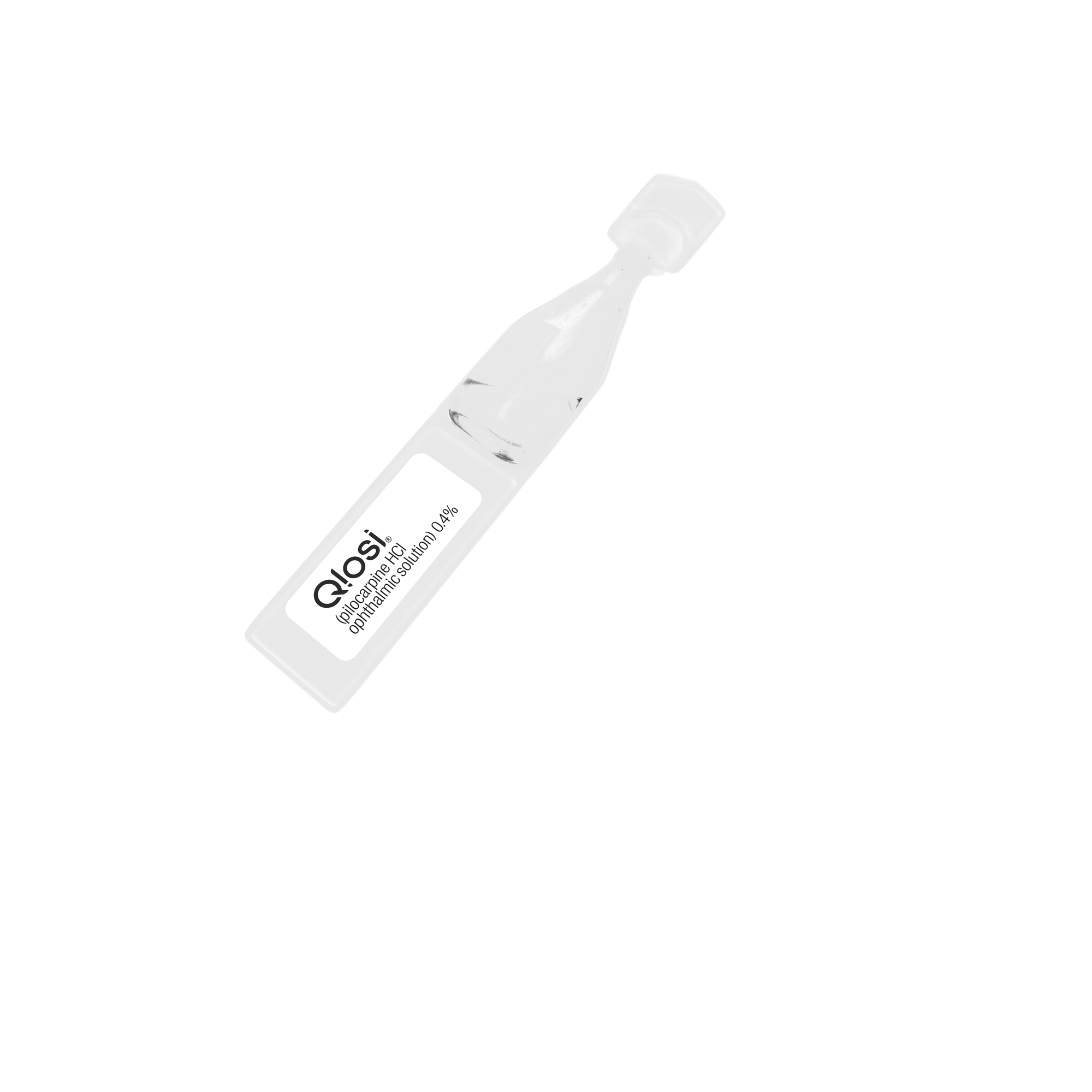
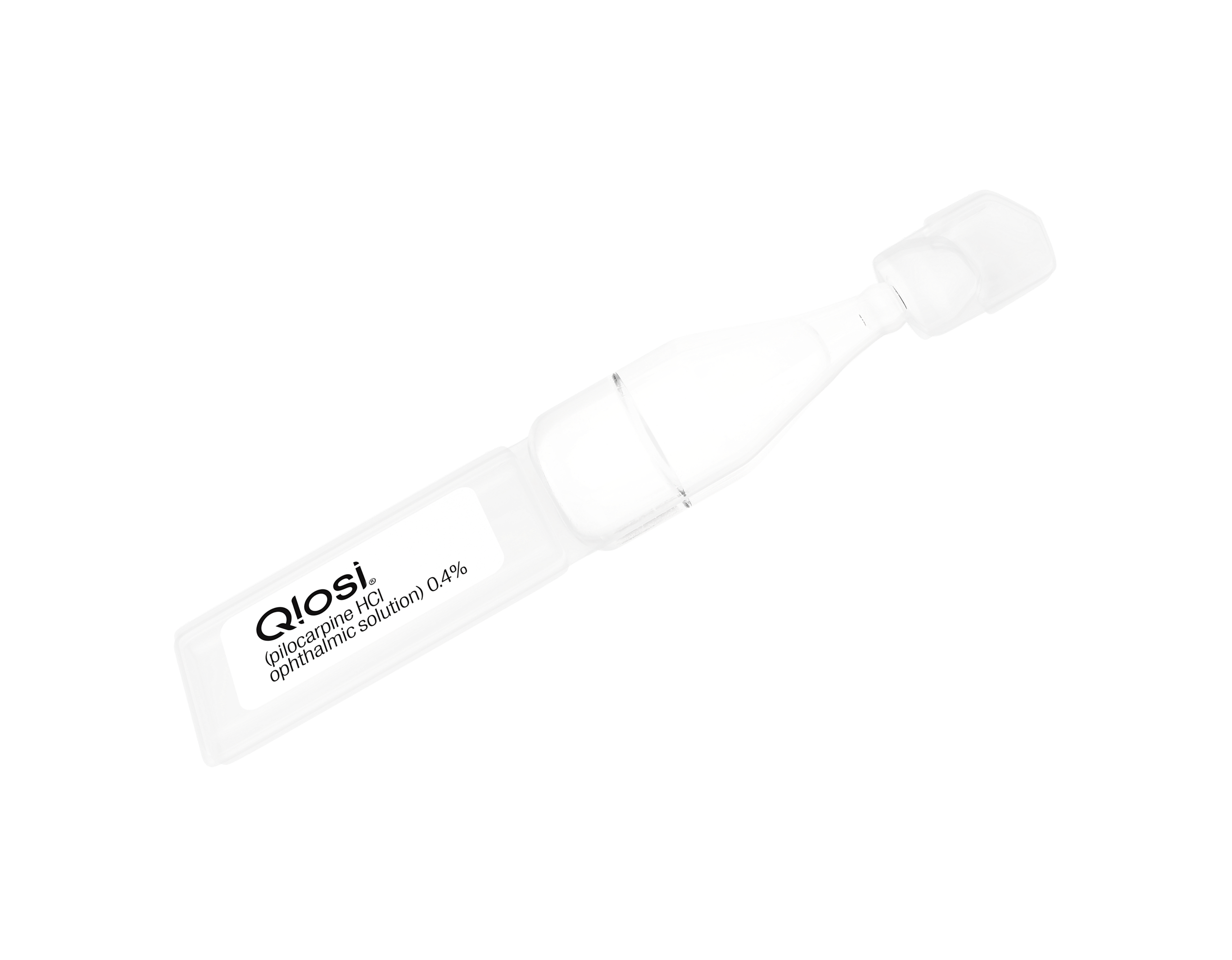
Not actual size
→
Presbyopia patients within 10 minutes
of administering Qlosi on Days 1, 8, and 154

→ Dr. Brian Brightman, OD Lincoln, NE

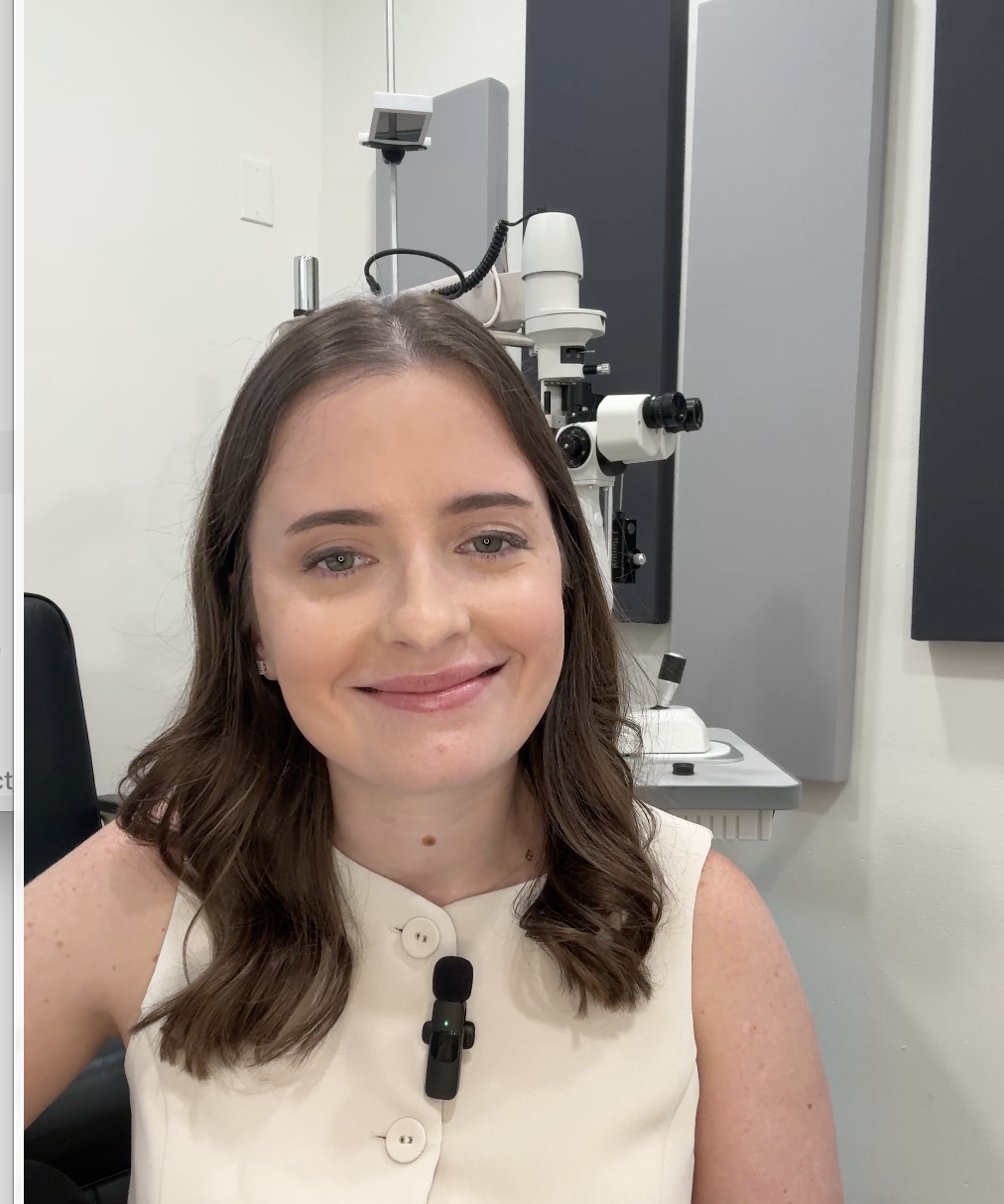
→ Dr. Leslie Scher, OD Miami, FL
Sign up for updates
Stay current on Qlosi clinical data, practice resources, and new patient support tools.
Sign up →
Sign up for updates
Stay current on Qlosi clinical data, practice resources, and new patient support tools.

Drops they love? That’s Qlosi”
Indication and Usage
Qlosi (pilocarpine hydrochloride ophthalmic solution) 0.4%, for topical ophthalmic use is a cholinergic receptor agonist indicated for the treatment of presbyopia in adults.
Important Safety Information
Contraindications
Hypersensitivity
Warnings and Precautions
Advise patients to not drive or operate machinery if vision is not clear (e.g., blurred vision). Exercise caution in night driving and other hazardous occupations in poor illumination.
Rare cases of retinal detachment have been reported with miotics. Examination of the retina is advised in all patients prior to initiation of therapy. Advise patients to seek immediate medical care with sudden onset of flashes of lights, floaters, or vision loss.
Qlosi is not recommended to be used when iritis is present.
Qlosi should not be administered while wearing contact lenses. Remove lenses prior to the instillation of Qlosi and wait 10 minutes before reinsertion.
Avoid touching the tip of the vial to the eye or any other surface.
Adverse Reactions
The most common adverse reactions (5% to 8%) are instillation site pain and headaches.
Please see full Prescribing Information here: qlosiecp.com/prescribing-information
References
- Qlosi [package insert]. Ponte Vedra, FL. Orasis Pharmaceuticals.
- Anderson RA, Cowle JB. Influence of pH on the effect of pilocarpine on aqueous dynamics. Br J Ophthalmol. 1968;52(8):607-611. doi:10.1136/bjo.52.8.607
- Mitra AK, Mikkelson TJ. Mechanism of transcorneal permeation of pilocarpine. J Pharm Sci. 1988;77(9):771-775. doi:10.1002/jps.2600770911
- Holland E, Karpecki P, Fingeret M, et al. Efficacy and safety of CSF-1 (0.4% pilocarpine hydrochloride) in presbyopia: pooled results of the NEAR phase 3 randomized, clinical trials. Clin Ther. 2024;46(2):104-113. doi:10.1016/j.clinthera.2023.12.005
- Waring GO, Price FW, Wirta D. Safety and efficacy of AGN-190584 in individuals with presbyopia: the GEMINI 1 phase 3 randomized clinical trial. JAMA Ophthalmol. 2022;140(4):363-371. doi:10.1001/jamaophthalmol.2022.0059
- VUITY PI [package insert]. North Chicago, IL: AbbVie Inc.
- Waring GO, Moshirfar M, Lievens CW, Liu H, Zheng S, Robinson MR. Twice- vs once-daily pilocarpine HCl 1.25% for presbyopia: safety profile from randomized, masked, controlled, prospective phase 3 studies. Poster presented at the American Society of Cataract Surgery (ASCRS) annual meeting; May 5-8, 2023; San Diego.
- VIZZ PI [package insert]. Solano Beach, CA: LENZ Therapeutics, Inc.
- LENZ Therapeutics Corporate Presentation. Available at: https://ir.lenz-tx.com/news-events/presentations. Accessed November 17, 2025.
- Yuvezzi. Prescribing information. Visus Therapeutics, Inc; 2025.
- RO Staff. First dual-agent drop approved for presbyopia. Review of Optometry. Published January 29, 2026. Accessed June 3, 2026. https://www.reviewofoptometry.com/article/first-dualagent-drop-approved-for-presbyopia