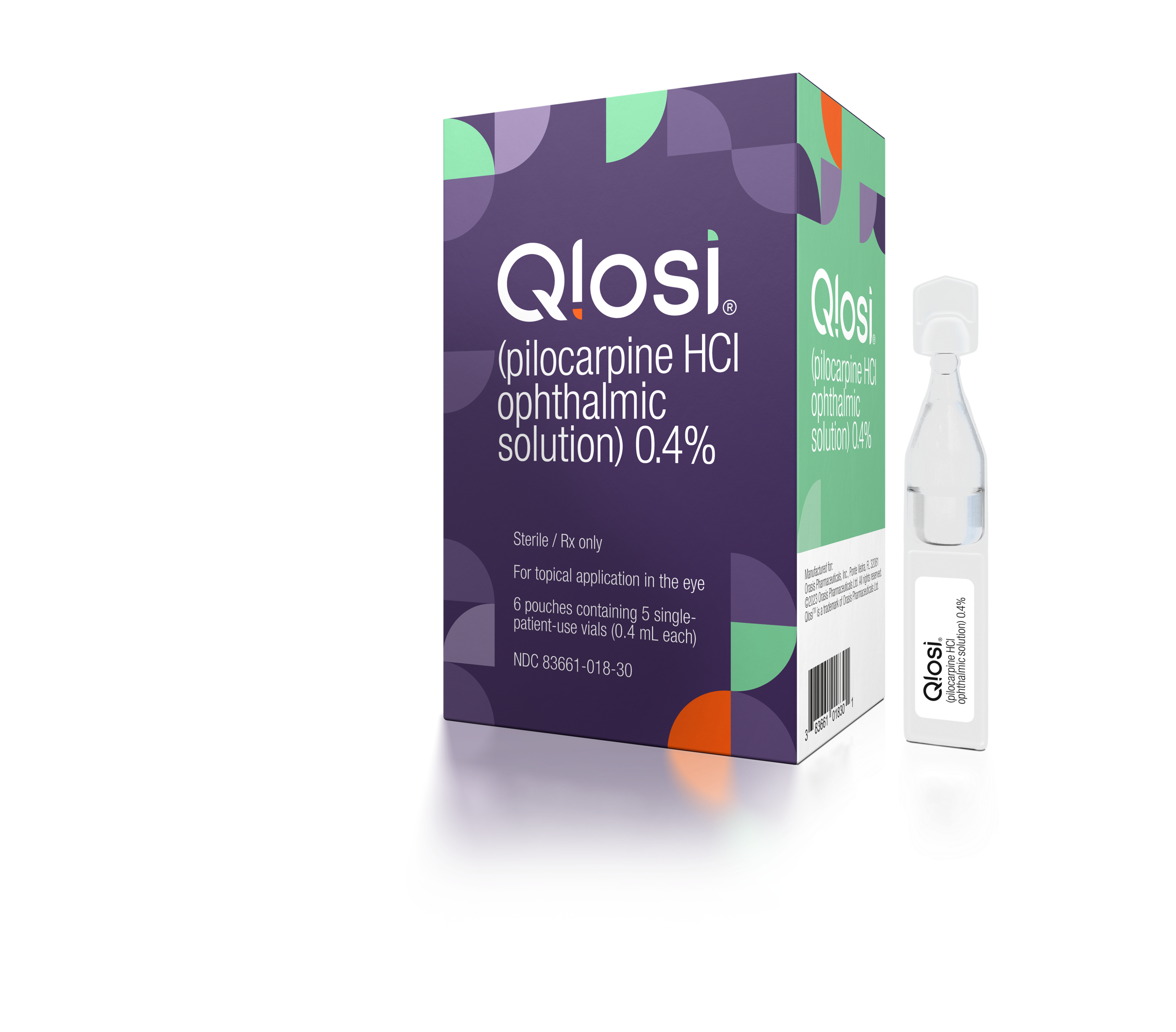
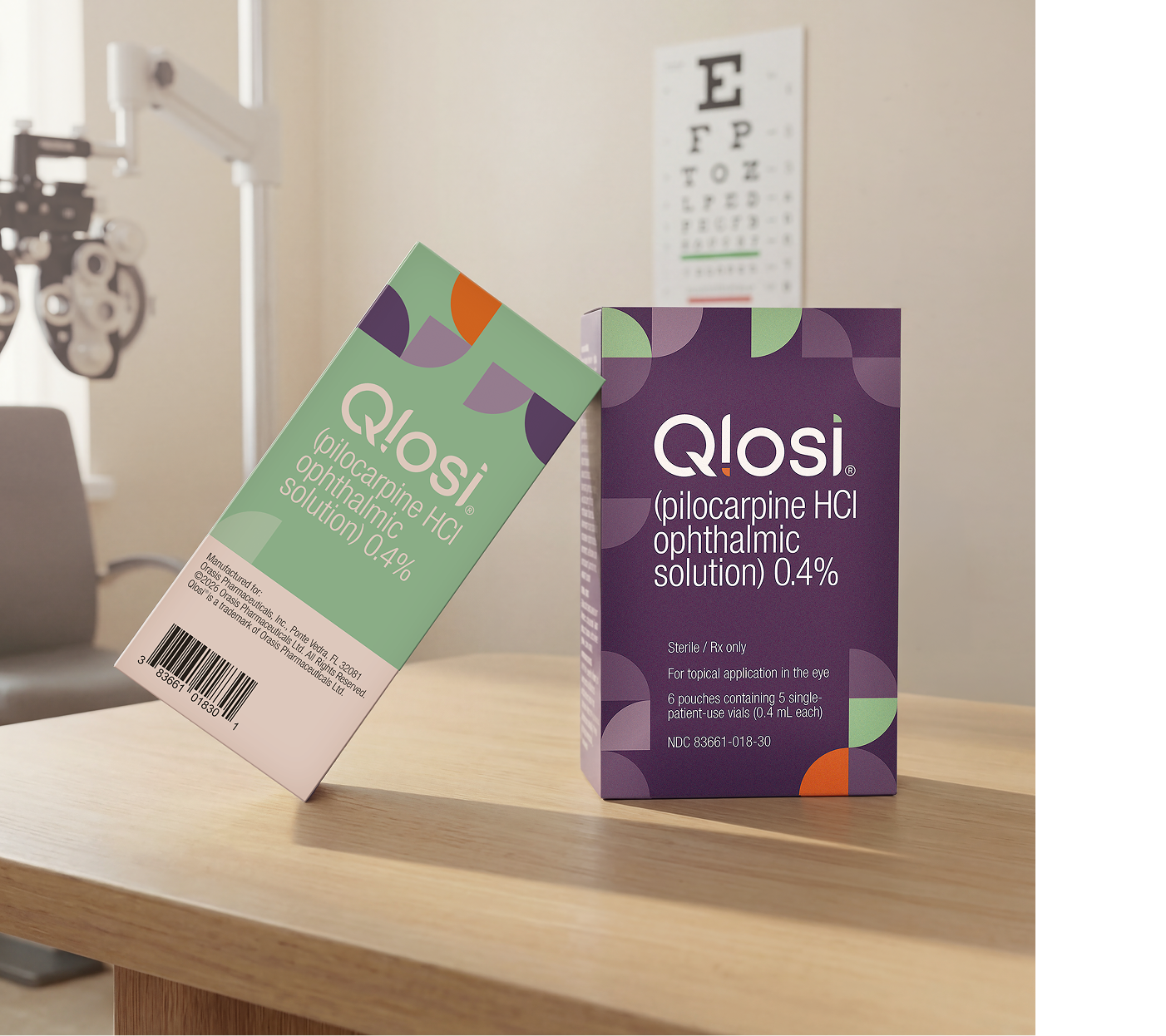
Qlosi carton and vial
Clarity STARTS WITH Qlosi
The only patient-friendly first-line presbyopia drop that puts comfort first1-4

Not actual size

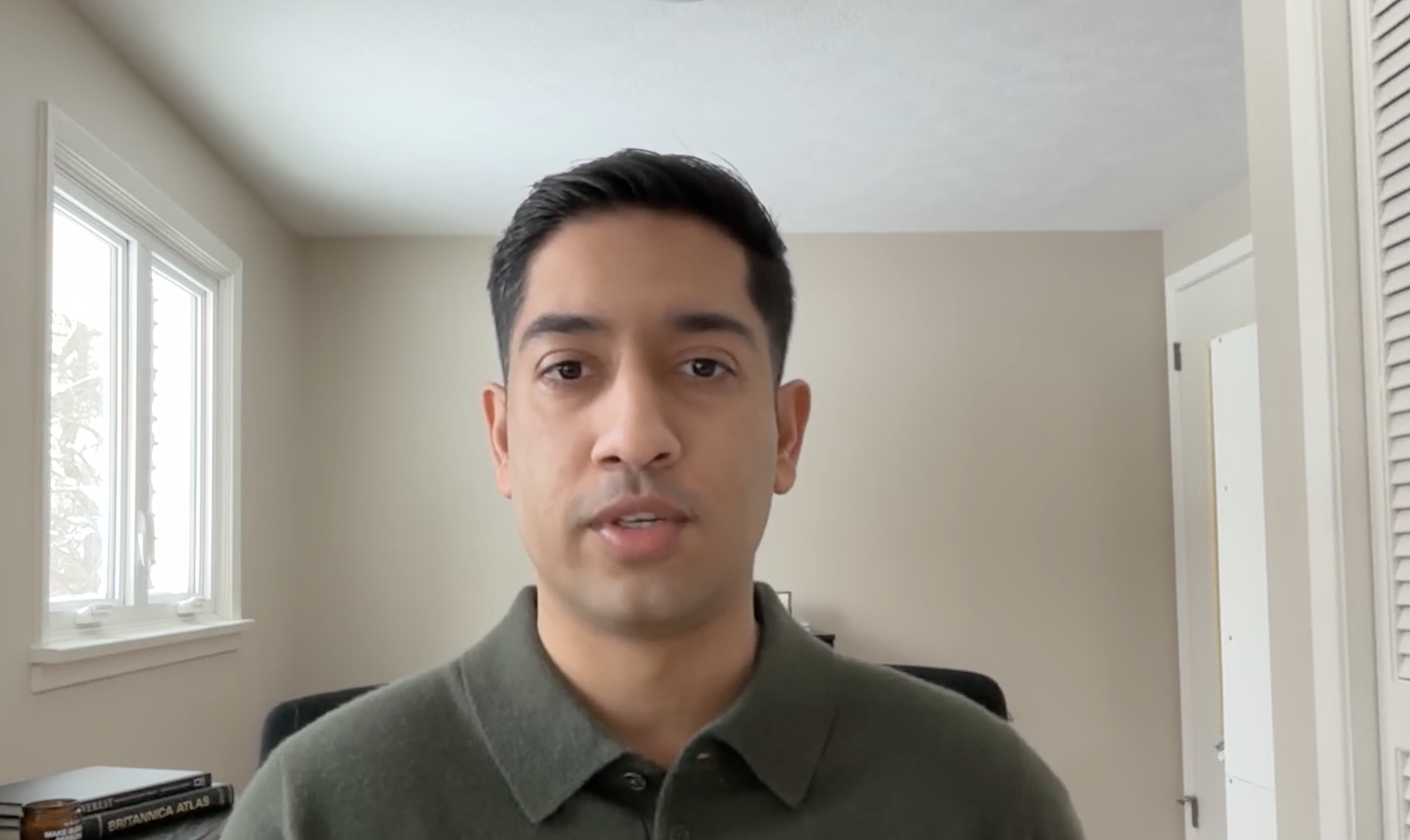
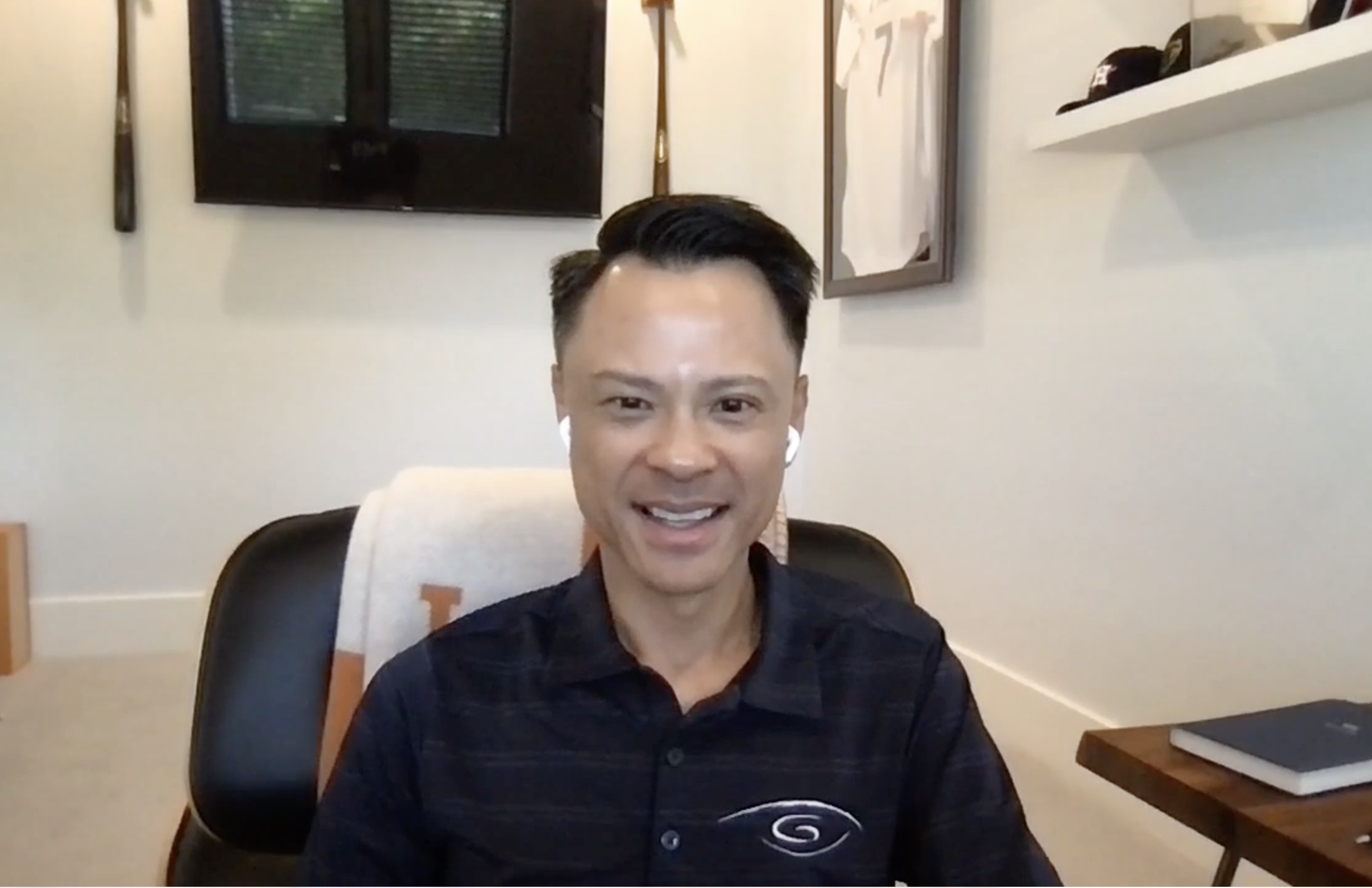
When I bring up Qlosi to my patients, I can see their confidence in me as a provider go up. And then once they try the drop for themselves, I can see their confidence in themselves go up”
Doctor
Clara T.
They might not know to call it presbyopia. But they’ll describe it perfectly. That’s your moment to cue a Qlosi conversation

Readers in a drop

The only presbyopia drop with

Lowest concentration of any FDA-approved miotic (0.4% pilocarpine)1,5,6
Ciliary-sparing formulation, no statistically significant change in CMT vs BSS7
Preservative-free, single-use vials with dual lubricating agents1
Flexible on-demand dosing up to 8 hours1
Single-digit individual adverse events4

*BSS, balanced salt solution; CMT, ciliary muscle thickness

You spot the signs in seconds

Squinting at the screen
Hesitating before reading a label
Holding a phone at full arm’s length
Saying, “I think I just need more light”
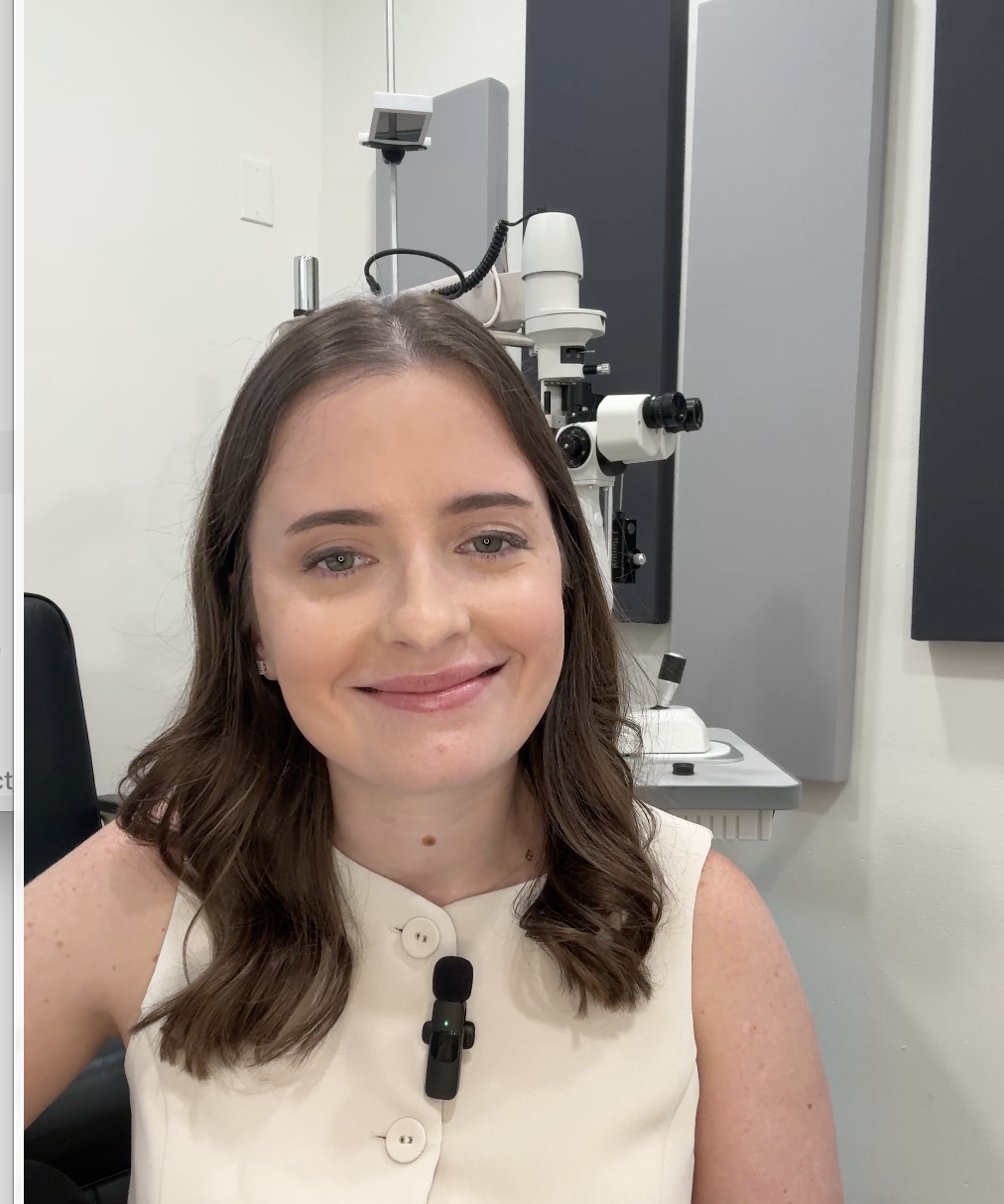
Doctor
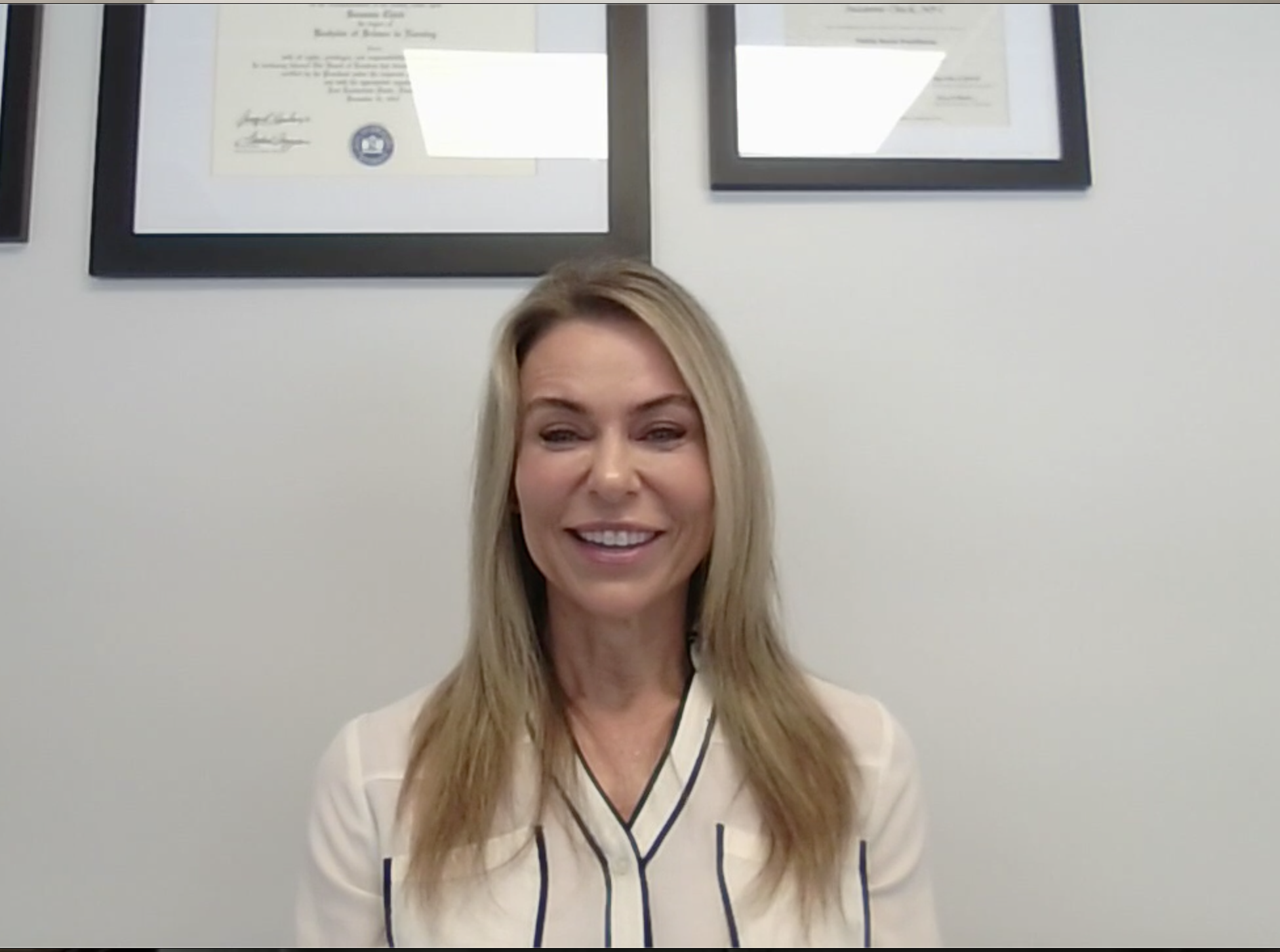
Patients think that their only option is reading glasses. They don’t know any better. They think: okay, this is just my life now. To be able to present another option where they have that functional [near] vision, that’s really magical for patients.”
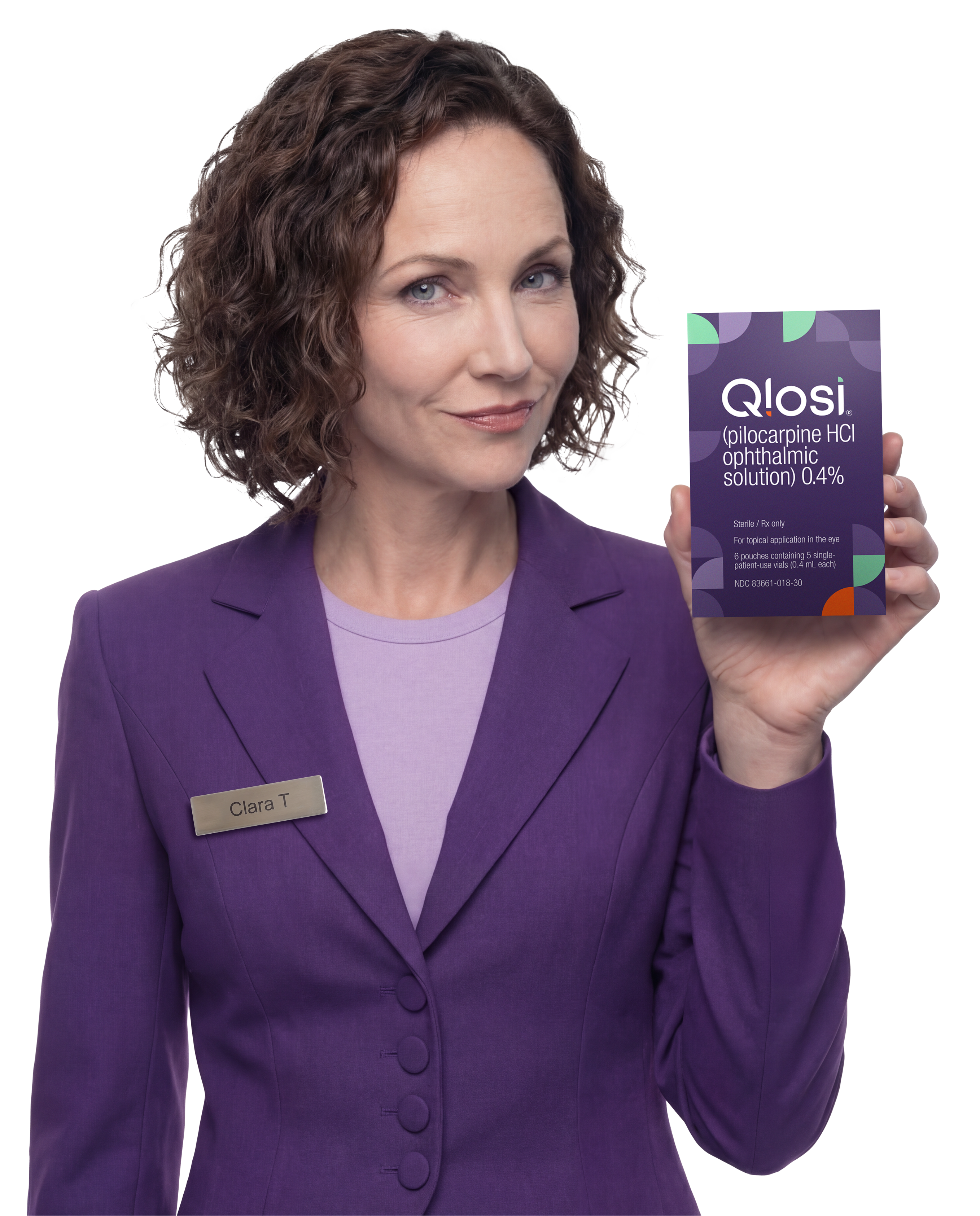
Clara T. holding Qlosi box
Coping behaviors are not solutions. Qlosi is

See how Qlosi shows up in real practices

Clara T.
Full arm extension is not a treatment plan. Qlosi is

Don’t just take it from us

The data speaks for itself

~8 out of 10 patients achieved 20/40 or better near vision on Day 158,9*
Effects seen as early as 20 minutes4
Up to 8 hours with second dose1
Single-digit individual adverse events4

*Day 15: participants with DCNVA 20/40 or better in binocular vision, excluded participants with baseline 20/40 or better OU DCNVA.8

†Second dose administered 2–3 hours after the first dose.1

DCNVA=distance-corrected near visual acuity; OU=oculus uterque

Qlosi builds the practice

Not the other way around
Qlosi carton and vial

Not actual size

Not a replacement
for glasses
or contacts

A new reason to come in.
A new conversation to have.
Clara T.
Dr. Harmin Chima
I don’t have a single patient who’s left the office with Qlosi and has not purchased glasses or contacts. Qlosi is not an ‘or’ prophecy. It’s an ‘and’ proposition.”
Dr. Kevin Gee
We’ve actually seen an impact positively because we’ve seen a boost in multifocal contact lens success in conjunction with the use of Qlosi.”

Indication and Usage

Qlosi (pilocarpine hydrochloride ophthalmic solution) 0.4%, for topical ophthalmic use is a cholinergic receptor agonist indicated for the treatment of presbyopia in adults.

Important Safety Information

Contraindications

Hypersensitivity

Warnings and Precautions

Advise patients to not drive or operate machinery if vision is not clear (e.g., blurred vision). Exercise caution in night driving and other hazardous occupations in poor illumination.

Rare cases of retinal detachment have been reported with miotics. Examination of the retina is advised in all patients prior to initiation of therapy. Advise patients to seek immediate medical care with sudden onset of flashes of lights, floaters, or vision loss.

Qlosi is not recommended to be used when iritis is present.

Qlosi should not be administered while wearing contact lenses. Remove lenses prior to the instillation of Qlosi and wait 10 minutes before reinsertion.

Avoid touching the tip of the vial to the eye or any other surface.

Adverse Reactions

The most common adverse reactions (5% to 8%) are instillation site pain and headaches.

Please see full Prescribing Information here: qlosiecp.com/prescribing-information

References

  1. Qlosi [package insert]. Ponte Vedra, FL. Orasis Pharmaceuticals.
  2. Anderson RA, Cowle JB. Influence of pH on the effect of pilocarpine on aqueous dynamics. Br J Ophthalmol. 1968;52(8):607-611. doi:10.1136/bjo.52.8.607
  3. Mitra AK, Mikkelson TJ. Mechanism of transcorneal permeation of pilocarpine. J Pharm Sci. 1988;77(9):771-775. doi:10.1002/jps.2600770911
  4. Holland E, Karpecki P, Fingeret M, et al. Efficacy and safety of CSF-1 (0.4% pilocarpine hydrochloride) in presbyopia: pooled results of the NEAR phase 3 randomized, clinical trials. Clin Ther. 2024;46(2):104-113. doi:10.1016/j.clinthera.2023.12.005
  5. VUITY PI [package insert]. North Chicago, IL: AbbVie Inc.
  6. VIZZ PI [package insert]. Solano Beach, CA: LENZ Therapeutics, Inc.
  7. Cabot F. Miotic eyedrops for presbyopia: emerging therapies. Presented at Hawaiian Eye and Retina; Jan 17–23, 2026, Waikoloa Village, HI.
  8. Cunningham D, Koetting C, Lang J. Comparison of monocular and binocular near vision improvement in the NEAR-1 and NEAR-2 phase 3 randomized, clinical trials: CSF-1 (0.4% pilocarpine HCl) for the treatment for presbyopia. Poster presented at AOA Optometry Meeting; June 21-23, 2024; Washington, DC.
  9. Jackson M, Farid M. Pupil size reduction and percentage of participants achieving functional near vision in presbyopia: NEAR phase 3 clinical trials. Poster presented at: American Academy of Ophthalmology 2025; October 18-20; Orlando, FL.